
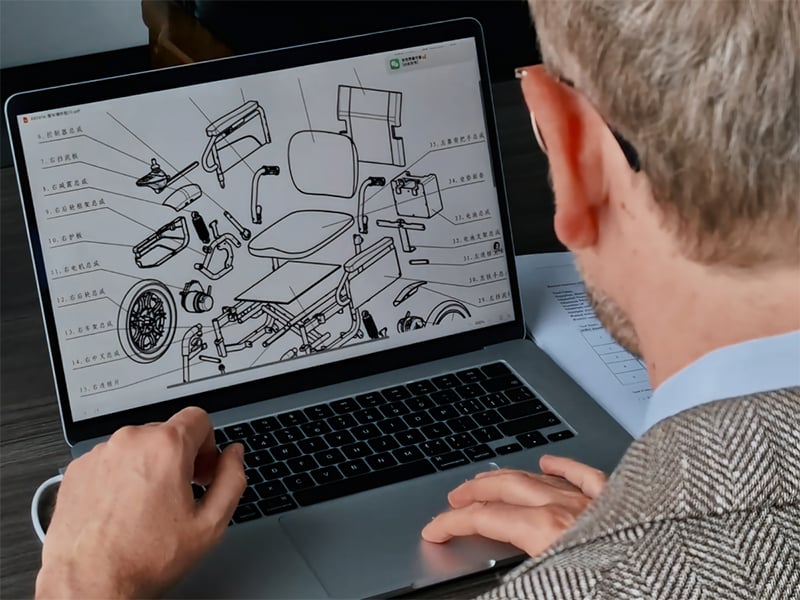
Silla de ruedas eléctrica: fabricación bajo marca propia (OEM) frente a diseño y fabricación bajo marca ajena (ODM) con un socio fabricante
Para las personas con discapacidad motriz, las sillas de ruedas no son solo un medio de transporte, sino también un vínculo que conecta sus vidas y les permite mantener su independencia. En los últimos años, con el rápido desarrollo de la tecnología plegable y la tracción eléctrica, la distinción entre las sillas de ruedas manuales tradicionales y las modernas sillas de ruedas eléctricas plegables se ha vuelto cada vez más clara. Cada una responde a distintos escenarios de uso y grupos de usuarios, y comprender estas diferencias ayuda a los usuarios a tomar decisiones que mejor se adapten a sus necesidades.
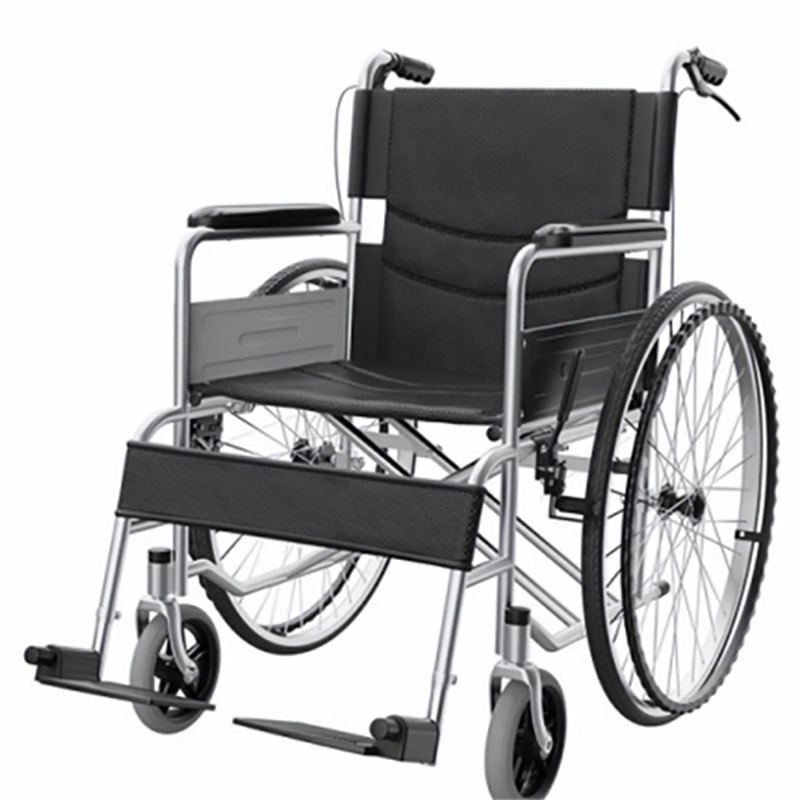
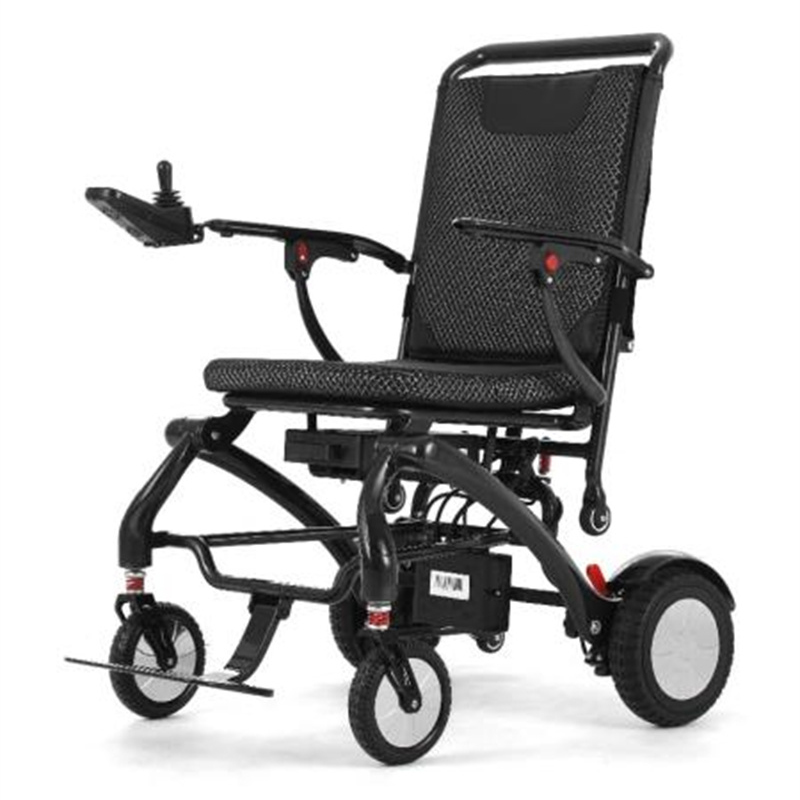
Fuente de energía: fuerza humana frente a asistencia eléctrica
La diferencia más fundamental radica en el método de propulsión. Las sillas de ruedas manuales tradicionales dependen de que el usuario empuje con las manos las llantas manuales hacia adelante, o de que un cuidador lo haga desde atrás. Este diseño es sencillo en su estructura, fácil de mantener y no requiere carga, lo que permite su uso en cualquier entorno. Para los usuarios con buena fuerza en los miembros superiores, las sillas de ruedas manuales también pueden proporcionar cierto ejercicio físico.
Por otro lado, las modernas sillas de ruedas eléctricas plegables cuentan con un motor y una batería integrados, logrando la propulsión eléctrica mediante una palanca de mando o un controlador. Los usuarios pueden desplazarse fácilmente sin realizar esfuerzo físico, lo que las hace especialmente adecuadas para personas con menor fuerza en los miembros superiores, función cardiopulmonar limitada o necesidad de recorrer largas distancias. La asistencia eléctrica amplía considerablemente el radio de movilidad del usuario, permitiendo desplazarse desde espacios interiores a exteriores.
Portabilidad: estructura fija frente a almacenamiento plegable
Las sillas de ruedas manuales tradicionales utilizan mayoritariamente un bastidor fijo. Aunque algunos modelos permiten un plegado sencillo, el tamaño plegado sigue siendo relativamente grande, lo que dificulta su colocación en el maletero de un automóvil pequeño. Su peso suele rondar los 15-20 kg, lo que sigue suponiendo una carga para los usuarios que deben desplazarlas con frecuencia.
Los recientes avances en las sillas de ruedas eléctricas plegables radican en la combinación de un diseño ligero y una estructura inteligente de plegado. Las sillas de ruedas eléctricas fabricadas en aleación de aluminio o fibra de carbono pueden mantener un peso total de 15-25 kg. Algunos modelos de gama alta incluso incorporan un plegado eléctrico con un solo botón, reduciendo significativamente su tamaño una vez plegadas y facilitando así su colocación en el maletero de un automóvil o su transporte en medios de transporte público. Esta característica ha transformado a las sillas de ruedas eléctricas de «herramientas de asistencia indoor» a «acompañantes para viajes al aire libre».
Escenarios de uso: principalmente indoor frente a cobertura en todos los escenarios
La ventaja de las sillas de ruedas manuales radica en su maniobrabilidad flexible en espacios interiores reducidos. Debido a su estructura compacta y su pequeño radio de giro, las sillas de ruedas manuales son más fáciles de maniobrar en áreas con limitaciones de espacio, como cocinas y baños. Al mismo tiempo, las sillas de ruedas manuales no dependen de la electricidad, eliminando las preocupaciones relacionadas con la descarga de la batería.
Por otro lado, las sillas de ruedas eléctricas plegables están impulsadas eléctricamente y pueden manejar fácilmente condiciones complejas de carretera al aire libre. Ya sea recorriendo pendientes en zonas residenciales, senderos en parques o largos pasillos de centros comerciales, las sillas de ruedas eléctricas ofrecen una experiencia de desplazamiento suave y sin esfuerzo. Gracias a sus sistemas de amortiguación y diseños de ruedas antivuelco, las sillas de ruedas eléctricas modernas han mejorado significativamente tanto en seguridad como en confort.
Comparación de ventajas y desventajas
Ventajas de la silla de ruedas manual tradicional:
Estructura sencilla, baja tasa de fallos
No requieren carga, no están limitadas por la duración de la batería
Precio relativamente económico
Puede ayudar a fortalecer los miembros superiores
Limitaciones de las sillas de ruedas manuales tradicionales:
El uso prolongado puede provocar fácilmente tensión en la articulación del hombro
Es difícil desplazarse largas distancias al aire libre
Aún es relativamente grande cuando está plegada
Ventajas de las sillas de ruedas eléctricas plegables:
Propulsión eléctrica, sin esfuerzo y práctica
La autonomía de la batería cubre las necesidades diarias de desplazamiento
El diseño plegable facilita su transporte y almacenamiento
Adecuada para diversos terrenos exteriores
Limitaciones de la silla de ruedas eléctrica plegable:
Requiere carga regular y mantenimiento
Aún es más pesada que las sillas de ruedas manuales de gama alta
Precio relativamente más elevado
¿Cómo elegir la silla de ruedas adecuada?
Elegir una silla de ruedas equivale, en esencia, a elegir un estilo de vida. Para los usuarios cuyas actividades diarias se desarrollan principalmente en interiores y que cuentan con suficiente fuerza en los miembros superiores, las sillas de ruedas manuales tradicionales siguen siendo una opción económica y práctica. Para los usuarios que desean salir de casa y participar en más actividades sociales y al aire libre, la independencia y la libertad que ofrecen las sillas de ruedas eléctricas plegables suelen convertirse en un factor clave para mejorar su calidad de vida.
La cartera de productos de BaiChen satisface ambas necesidades: la serie clásica de sillas de ruedas manuales destaca por su diseño ligero y su fiabilidad; mientras que la serie eléctrica plegable integra tecnología de batería de litio y una estructura plegable inteligente, con el objetivo de ofrecer a los usuarios activos una experiencia de movilidad «donde quiera que deseen ir».
Independientemente del tipo elegido, recomendamos que los usuarios consideren cuidadosamente sus escenarios de uso diario, su entorno de vida y la frecuencia de desplazamiento antes de realizar la compra. Si es necesario, pueden ponerse en contacto con un asesor profesional para recibir consejos personalizados. La esencia de una silla de ruedas es servir a la vida; elegir la herramienta adecuada hace que cada paso del desplazamiento sea más cómodo.
Ningbo Baichen Medical Devices Co., LTD.,
+86-18058580651
Baichenmedical.com/baichenmobility.com

Copyright © Ningbo Baichen Medical Devices Co., Ltd. All Rights Reserved- POLÍTICA DE PRIVACIDAD-Blog

 EN
EN